


How to Find the Best Real Estate Development in UAE: Eeternal Guide
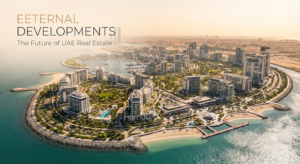
Navigating the property landscape across the Emirates requires looking past polished digital renders and marketing language. Whether you are expanding an international investment portfolio or securing a primary residence, identifying the best real estate development in UAE markets demands a rigorous, structured evaluation framework. Knowing how to separate speculative hype from sustainable, high-value assets protects your capital and ensures long-term utility.
What Defines a High-Value Real Estate Development in the UAE?
A high-value real estate development in the UAE seamlessly integrates strategic micro-location infrastructure, empirical real estate developer credibility, transparent regulatory compliance, and enduring architectural standards.
Determining whether a development is worth your capital involves evaluating how well its asset class matches current market demand, the financial stability of its builders, and the long-term viability of its community master plan. Rather than relying on generic rankings, successful property acquisition relies on verifiable delivery records, escrow protection, and structural build quality.
How to Evaluate a Real Estate Development: A 7-Step Framework
Finding an exceptional project requires a systematic due diligence process. Work through these seven critical dimensions before committing funds.
1. Clarify Your Investment or End-Use Objective
Your core motivation dictates every subsequent decision. Real estate strategies in the UAE generally split into distinct categories:
- End-Use: Prioritizing functional floor plans, family-oriented amenities, proximity to reputable schools, and neighborhood stability.
- Rental Yield Focus: Targeting high-demand micro-locations near commercial business hubs, transit links, and tourist corridors.
- Capital Appreciation: Focusing on emerging master-planned communities benefiting from upcoming municipal infrastructure or transit expansions.
- Luxury Lifestyle: Seeking uncompromised architectural finishes, waterfront access, private amenities, and bespoke hospitality services.
2. Analyze Location Fundamentals and Macro Infrastructure
A master-class building in an isolated, poorly connected corridor will consistently underperform compared to a balanced asset in an active community. Evaluate the micro-location for:
- Connectivity: Direct access to major highway arteries (such as Sheikh Zayed Road, Al Khail Road, or E311) and public transit.
- Social Infrastructure: Operational healthcare facilities, supermarkets, retail districts, and educational institutions.
- Surrounding Growth: Planned municipal developments, public parks, and regional expansions that support long-term property appreciation.
3. Assess the Real Estate Developer’s Track Record and Stability
The developer behind the project dictates construction execution and delivery timelines. Examine their historical portfolio:
- Completed Developments: Inspect older projects built by the firm to observe how facades, common areas, landscaping, and structural finishes weather over time.
- Delivery History: Review whether past projects met their promised schedules or suffered chronic delays.
- Financial Resilience: Stable, well-capitalized developers maintain higher completion rates through economic market shifts.
4. Verify Legal Compliance and Escrow Security
Regulatory compliance is non-negotiable. Always verify that both the developer and the specific project hold active licenses from the relevant regional regulatory authority.
- For projects in Dubai, verify credentials and escrow details through the Dubai Land Department approved real estate developers portal.
- Ensure that all off-plan payments are deposited strictly into the project-specific escrow account monitored by regulatory bodies, never into general corporate accounts.
5. Inspect Architectural Quality and Spatial Efficiency
Look beyond surface-level interior styling. Evaluate structural layouts, ceiling heights, window glazing specifications, acoustic insulation, and elevator-to-unit ratios. Efficient spatial planning ensures higher tenant retention and superior daily comfort.
6. Analyze Payment Structure Versus Cash Flow Realities
Examine the financial outlay across the construction lifecycle. Look closely at initial down payments, construction-linked milestone installments tied to official progress certificates, and post-handover options. Factor in total acquisition costs, including government registration fees, legal review expenses, and ongoing annual service charges.
7. Project Long-Term Rental Demand and Resale Liquidity
Analyze historical rental yields and secondary market liquidity within the immediate micro-market. Avoid saturated pockets where excessive upcoming supply could suppress rental rates or delay your future exit strategy.
Regulatory Realities Across the Emirates: Dubai, Abu Dhabi, and Beyond
Regulatory structures governing property development differ across the UAE. It is a mistake to assume rules are identical across every emirate:
- Dubai: Regulated strictly by the Real Estate Regulatory Agency (RERA) and the Dubai Land Department (DLD), featuring mandatory escrow accounts and standardized sales contracts.
- Abu Dhabi: Governed by the Department of Municipalities and Transport (DMT), overseeing freehold zones and escrow compliance for off-plan properties.
- Northern Emirates (e.g., Ras Al Khaimah, Sharjah): Operating under specific local municipal guidelines governing freehold and leasehold property ownership structures.
Always confirm the governing authority for your chosen property to understand local escrow laws, title registration processes, and investor protections.
Critical Red Flags When Choosing a UAE Real Estate Development
Protecting your capital requires watching out for common warning signs during your evaluation:
- Unregistered Escrow Accounts: Requests to transfer funds into personal accounts or unapproved corporate entities.
- Unrealistic Returns: Guaranteed rental yields significantly higher than prevailing market averages without contractual transparency.
- Vague Corporate Identity: Developers with no verifiable completed projects, untraceable headquarters, or opaque corporate structures.
- Missing Regulatory Approvals: Off-plan sales initiated before obtaining required municipal planning consents and project registration numbers.
- Aggressive Sales Pressure: Artificial urgency tactics designed to bypass independent legal contract review.
Design, Lifestyle, and Eeternal’s Approach to UAE Developments
As the regional real estate market matures, buyers increasingly seek developments that prioritize design integrity and human-centric spaces over sheer volume. Grounded in a commitment to architectural refinement and hospitality-led principles, Eeternal approaches development by treating design as a core discipline and service as a guiding compass.
Rather than building isolated concrete towers, the brand focuses on crafting curated living environments where spatial efficiency, refined materials, and wellness intersect. Eeternal’s expansion into the UAE market is anchored by its debut residential venture, SO/ Residences on Al Marjan Island in Ras Al Khaimah, exemplifying a dedication to coastal luxury and lifestyle-driven community planning.
To explore foundational insights and regional market context, review our Dubai property developer guide. Discover more about our overarching vision and active developments directly at Eeternal Developments.
Frequently Asked Questions
How do I find the best real estate development in the UAE?
Finding the best development requires defining your investment goals, researching location infrastructure, verifying developer track records, inspecting past projects, and ensuring complete regulatory compliance through official government channels.
What should I look for in a real estate developer?
Look for a proven history of completed projects, transparent escrow account management, stable financial backing, strong construction quality, and positive resident feedback from older communities.
How can I check whether a developer is legitimate?
Verify developer licenses, corporate registrations, and project escrow accounts through official government regulatory bodies, such as the Dubai Land Department for projects in Dubai.
Is the developer more important than the location?
Both are equally critical. A prime location secures long-term rental demand, but a reputable developer ensures the building is constructed to high standards and delivered on schedule.
What should I check before buying an off-plan property in the UAE?
Check project registration status, escrow account validity, construction milestones, payment schedule flexibility, projected service charges, and the terms outlined in the Sale and Purchase Agreement.
How do I compare different property developments?
Compare developments across micro-location connectivity, price per square foot, amenity offerings, payment plan structure, developer delivery history, and projected rental yields.
What are the biggest red flags when choosing a developer?
Key red flags include unregistered escrow accounts, unrealistic guaranteed rental yields, vague corporate history, missing municipal approvals, and aggressive pressure-selling tactics.
Conclusion
Evaluating a real estate development in the UAE is a multi-step process that balances empirical data, regulatory verification, and lifestyle alignment. By applying a structured framework—examining location fundamentals, legal escrow compliance, build quality, and financial cash flow—buyers can navigate the market with confidence and secure assets that deliver long-term value.






One Response